

5 Factors That Attract Termites to Your Home
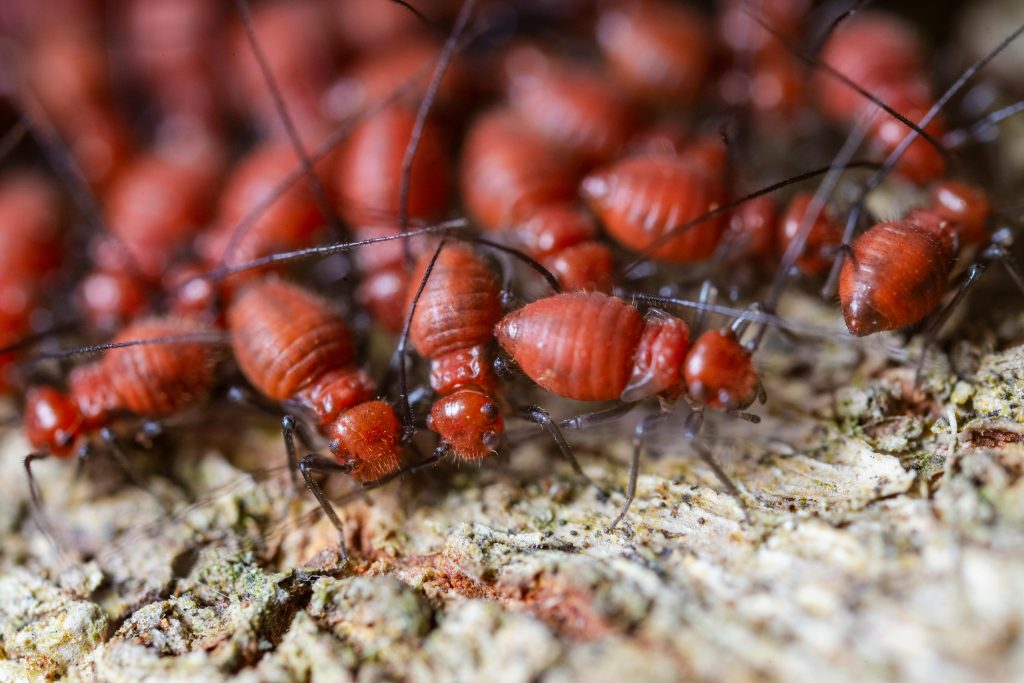
Termites are one of the most destructive pests. Research shows that termites cause damage to hundreds of thousands of homes every year in the United States. Unfortunately, by the time you realize the harm termites have caused your property, you will likely have many repairs to do. The ideal defense mechanism is first to understand how your home gets termites.
Here are four items that attract termites to your home:
1. Woodpiles
If you use wood of any form, you want a convenient storage location. Yet, termites find food, shelter, and water in the wood, more so those in direct contact with the ground. Also, when the wood rots and becomes soft and moist, termites sense the decay and attack. Even if the wood is outside your house, the termites might use the wooden structures to find a way into your home.
Raise any wood or wooden structures at a safe height above the ground and at a safe distance from your house. In the long run, termites attack any wood type, so you should not ignore even the treated kind. Also, keep wooden items away from your foundation and crawl spaces. Otherwise, you provide easy access to your house and risk structural damage from termites.
2. Moisture
Termites eat cellulose and, hence, need a lot of water to avoid death due to dehydration. So, the level of moisture within or around your home attracts termites. Moisture problems in the home come from soggy soil, poor drainage, leaks, condensation, and dirty gutters.
Keep or direct moisture away from your home to prevent termite infestation. Some steps to take to achieve a drier home environment include:
- Divert water away from your foundation with gutters
- Keep gutters clear of leaves, dirt, and other debris to prevent water buildup
- Keep your crawl spaces dry with a vapor barrier or polythene sheet
- Repair leaky faucets, ACs, and pipes
- Let the area around your house’s foundation slope to direct water away from your premises
- Install a dehumidifier in your basement or other home areas prone to dampness
3. Overhanging Trees
Trees that touch your house are a path to let in termites. Besides, tree limbs block sun rays and slow down moisture evaporation. As a result, you get soggy soil, especially during the rainy season, which is another termite attractor. Finally, trees near your roof drop leaves in your gutters, providing room for moisture to hold and speed up leaf decay.
Prune any tree branches hanging over your house. Call pest control experts in good time if a tree or trees already suffer from termite infestation. Early control prevents termites from spreading to your home and other nearby structures.
4. Mulch
Mulch is helpful for plant nutrition and soil erosion prevention; however, mulch stores moisture that attracts and provides favorable temperatures for termites to thrive. Besides, you can almost always miss the sight of termites because they hide under the mulch. Regular inspection helps you catch early signs and take the necessary corrective steps.
Do not use too much mulch or allow contact with wooden structures. Also, keep a considerable space between your house and the mulch. Otherwise, with close contact, the termites easily find cracks to dig through your foundation and walls and then infest your home.
5. Structural Damage
Termites look for your home’s expansion joints, cracks, holes, and other structural damage. You can find most of these spaces in your foundation and walls, which termites use to get inside your house. Even hard materials like concrete with tiny cracks provide pathways for pests.
You can only tell the potential entrance points if you understand your home’s construction. Sump pumps, drills, and pesticides come in handy to treat entry paths.
Expert Termite Control
Your home is a significant investment, and you would not want to see its destruction from a pest infestation. So, do everything to keep termites at bay. But, even if you face a termite infestation, you can still hire experts to eradicate the pests and save your property. So, do not hesitate to contact ANTEX Exterminating for all your termite questions, concerns, and solutions.